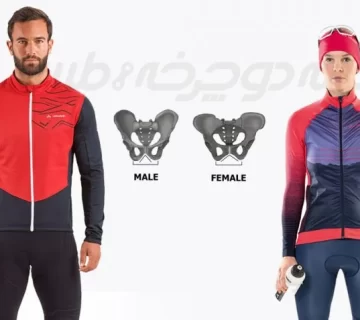
Nutritional recommendations for female athletes
The first component of the triad is the inability to maintain a healthy body composition. Excess weight is unfavorable for optimal performance, and therefore, there are insufficient stores of body fat. As a general rule, women should not lower their body fat below 12%, as doing so may expose them to health risks. Being thin is not always better.
Physical evaluation should be considered as an indicator and criterion before the participation of all sportsmen. Female athletes should be screened for the triad and its effects.
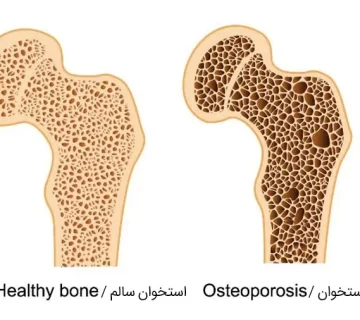
The intake of iron and calcium and their status should be estimated and if they are insufficient, they should be corrected first through a food plan and, if necessary, through supplements under the supervision of a doctor. An acceptable tool to estimate the calcium status is the periodical estimation of bone density (every 3 years, if the reduction of bone density or osteoporosis is not observed, other bone diseases are often observed). In addition, dietary analysis can determine whether the food consumed provides adequate calcium. Iron status should be checked annually. In case of iron deficiency, an iron supplementation program should be implemented under the supervision of a doctor along with blood tests.
Female athletes are more exposed to eating disorders, decreased bone density and insufficient intake of iron than male athletes. They are also subject to painful menstruation. Many of these problems can be controlled with a balanced diet that provides enough calories. To achieve this goal, female athletes should be aware that insufficient energy intake and weight loss likely have a greater metabolic effect on body fat mass than fat mass. This change in body composition, by forcing the athlete to consume less food in order to achieve the desired physical appearance, exposes him to eating disorders and related diseases.
Cycling during your period is a personal decision. If you can function normally during your period, you can safely ride a bike. If you have performance problems during this period, you can plan cycling with less intensity and volume at this time. But be careful not to schedule easy training days when it’s not necessary. Herbal remedies, rather than non-steroidal anti-inflammatory drugs such as ibuprofen (for example, Motrin or Advil), can help relieve abdominal pain, but consult your doctor before using them.