Gender differences
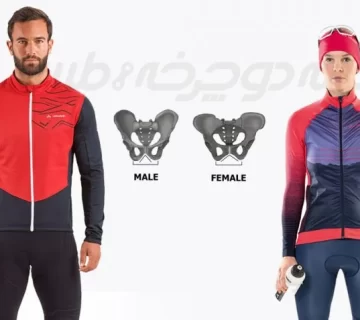
Physiological differences between men and women should be considered. First, it is necessary to point out that men’s muscles are stronger than women’s muscles. There is no real difference between the muscle tissue of men and women. In general, men have more muscle mass and produce more testosterone than women, which enables them to build more muscle mass through more effective training. Additionally, through a higher signaling rate, men are able to contract their muscles faster.
Under similar training conditions, women have lower VO2max values than men. In general, women’s hearts are smaller than men’s and therefore have a lower stroke volume. Women also have lower hemoglobin levels. Both of these factors reduce the body’s ability to transport oxygen and cause a relatively higher heart rate at submaximal intensity. In other words, women tend to have relatively higher levels of 2- and 3-diphosphoglycerate, which binds to hemoglobin and increases oxygen uptake into muscles, helping to compensate for lower hemoglobin levels.
Triathlon of female athletes
Female athletes have stressful stimuli that must be considered to maintain optimal health and performance. Women are particularly susceptible to three physiological factors that are linked together to form a serious health risk known as the triad of female athletes (dietary disorders, menstrual disorders, and decreased bone density). Through appropriate solutions, the triple development of female athletes should be prevented as much as possible.
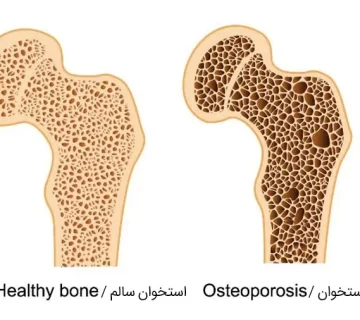
The nutritional needs of women are different compared to men. Many of these requirements are based on body size (men are larger than women), but some are due to physiological differences, such as iron (women need twice as much iron). Studies on female athletes show that insufficient energy intake, regardless of the sport they participate in, increases the risk of nutritional disorders in them. In addition, most research shows that intense sports activity affects the reproductive system of women, with amenorrhea and oligomenorrhea among its common consequences. According to these reports, increasing caloric intake by compensating for high energy requirements may be sufficient to reverse menstrual irregularities and interrupt bone loss. Decreased bone mass due to menstrual irregularity is clinically important for female athletes because it exposes them to an increased risk of stress fracture as well as the risk of osteoporosis. Adequate caloric and calcium intake does not correct the biomechanical factors associated with stress fracture (including increased longitudinal plantar arch and unequal leg length), but it does reduce the risk. Also, this method causes the return of regular menstruation in female athletes.
Nutritional recommendations for female athletes
Distribution of energy substances is useful for female athletes. Research shows that women have more fat, glycogen, (carbohydrate) and less protein in endurance activities compared to men. Due to limited glycogen stores, less oxidation of glycogen allows female athletes to have a clear advantage over men in long distances of low intensity and submaximal activities. There is no reliable evidence to suggest that there should be a difference in the nutritional intake of female endurance athletes compared to male endurance athletes, on the other hand due to the nature of endurance and ultra-endurance sports, carbohydrate (glycogen) stores are the limiting factor in performance. . The performance of endurance athletes (both men and women) decreases after the depletion of glycogen stores. In a research on the carbohydrate consumption pattern of women athletes in the field of cycling, it was observed that the intake of carbohydrates was 18 grams per kilogram of body weight. Very few of the women surveyed met the recommended carbohydrate intake of 5 to 7 grams per kilogram of body weight per day for endurance activities.
The effect of physiological differences between men and women in sports
The usual recommendation for protein intake for non-athletes in adults is 0.8 grams per kilogram of body weight per day. For athletes, it is almost twice this amount, i.e. 1.2 to 1.8 grams per kilogram of body weight per day, depending on the amount of participation of the athlete in endurance activities. This suggested amount is higher than the actual expected demand, provided that the total energy received is sufficient. There is no specific information on women’s protein needs, so these numbers are derived from mixed research or men, and until women’s protein needs are known, female athletes should consume the amount of protein recommended in current research.
Shoulder and upper back pain in road cycling
Fat consumption by female athletes is considered to reduce body weight. Research has shown that the fat intake of athletes with amenorrhea is 6% less than athletes with normal menstruation. To get enough energy, fat should not be excluded from the diet. Considering the great need of athletes to receive energy and the excellent system of female athletes in breaking down fat to produce energy, energy intake from fat should be 20 to 25% of the total energy intake. Female athletes seem to receive less than enough vitamin B6 in absolute amounts and in relation to the amount of protein intake. With the exception of vitamin B6, female athletes who are not energy-restricted seem to receive enough vitamins to maintain health and physical performance.
Undoubtedly, the intake of calcium and iron in the diet plan of female athletes is worrying. Adequate calcium intake is necessary to expand and maintain high bone density to resist fracture and iron intake is necessary to deliver oxygen to active cells. For athletes who are concerned about their daily product intake, calcium-rich orange syrup is an excellent choice and has as much calcium per volume as milk. Calcium intake alone does not guarantee strong bones. For bone growth, calcium, vitamin D, estrogen and physical pressure are needed.
Thigh slimming by cycling
Studies show that female athletes with anemia can improve their performance with an iron supplementation program. Unnecessary consumption of iron or other supplements in the absence of iron deficiency is not wise and logical. Considering the potential and serious risks of iron deficiency in female athletes, they should be regularly aware of their body iron status (at least annually) through ferritin estimation methods.