It is not difficult for children to recognize a standard bicycle, and to identify it, you need to consider a few simple points. The first step to know the standard children’s bike is to identify the size of the bike. Children’s bicycles are usually offered in 7 sizes, and the most suitable bicycle size should be chosen considering the height of the children. This is the first step to choosing a standard children’s bike.
Suitable size for children’s bike
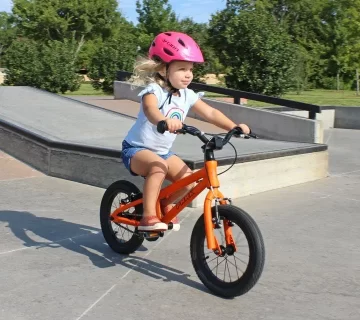
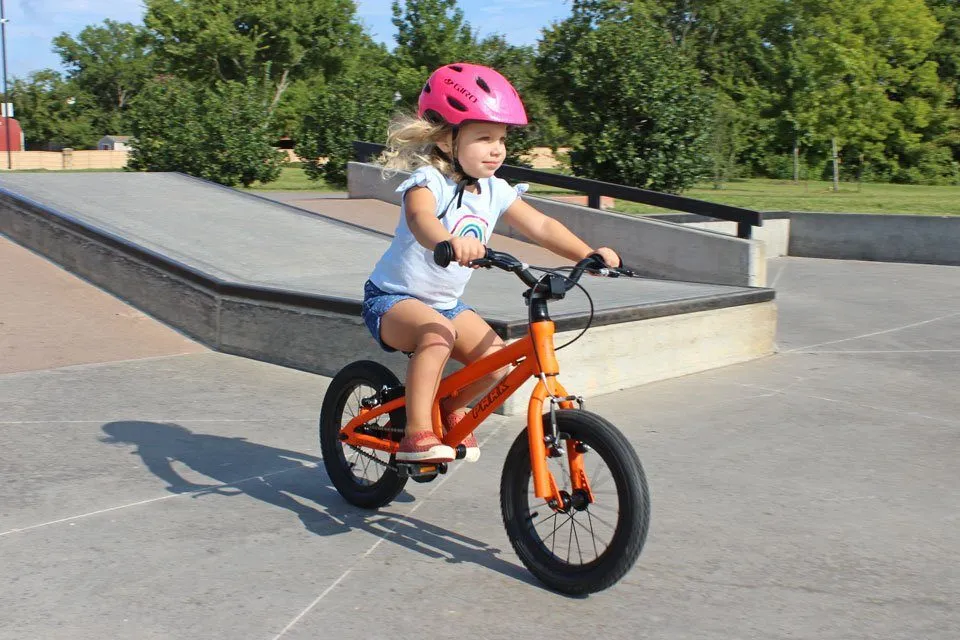
Size 12 bikes are designed for children from 2 to 4 years old and sometimes up to 5 years old in some brands. These saddleless bikes are the best option for learning to ride a bike. Therefore, if your child is 2 to 4 years old, we recommend this model of two-wheelers.
12 size bicycles are suitable for children from 2 to 4 years; Children with a height of 90 to 120 cm
14 size bicycles are suitable for children from 4 to 6 years; Children with a height of 100 to 120 cm
The size 20 bicycle is suitable for children aged 6 to 9 years; Children with a height of 115 to 135 cm
The size 24 bicycle is suitable for children aged 9 to 12 years; Children with a height of 130 to 145 cm
The size 26 bike is suitable for children with a height of 145 cm and above. In fact, size 26 is an adult bicycle recommended for tall children.
Therefore, the first step to choose a standard bicycle for children is to consider the size of the bicycle, and according to the height of the child, you should choose the appropriate size of the bicycle. Note that the size of the bike is slightly different in different brands, so check the website of the manufacturer or get advice from the sellers to make the correct choice.
Standard bike size test
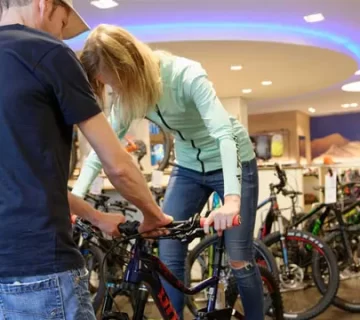
The right way to choose the size of the bike is to place the child’s legs on both sides of the upper part of the bike. That is, at this time, the soles of the feet should be on the ground without disturbing the middle trunk of the child’s bicycle.
Do not buy a large size bike
One of the common mistakes in choosing a bike for children is buying a bike one or two sizes bigger than the child’s height. Believing that the child is growing, parents choose a bike larger than the standard size, which only leads to the child not learning to control balance on the bike.
Geared or gearless bike?
In general, gears are not placed in smaller size bikes because children ride bikes on flat roads and bikes without gears have an acceptable performance on smooth roads.
From size 20 and up, children’s bicycles are usually offered in two forms: geared and non-geared. The choice of gear type and gearless type of bicycle depends on the type of route and the taste of parents and children. There is no need for a geared bike if the child rides on flat roads.
Auxiliary wheels
Auxiliary bicycle wheels are installed on most bicycles smaller than the size 20 for children for full control; But we suggest that if you decide that your child will learn to ride a bicycle correctly and without fear, do not use auxiliary wheels. Unlock the helper wheels and help your kids learn to ride a bike the right way according to the “Teaching Kids to Ride a Bike” article.